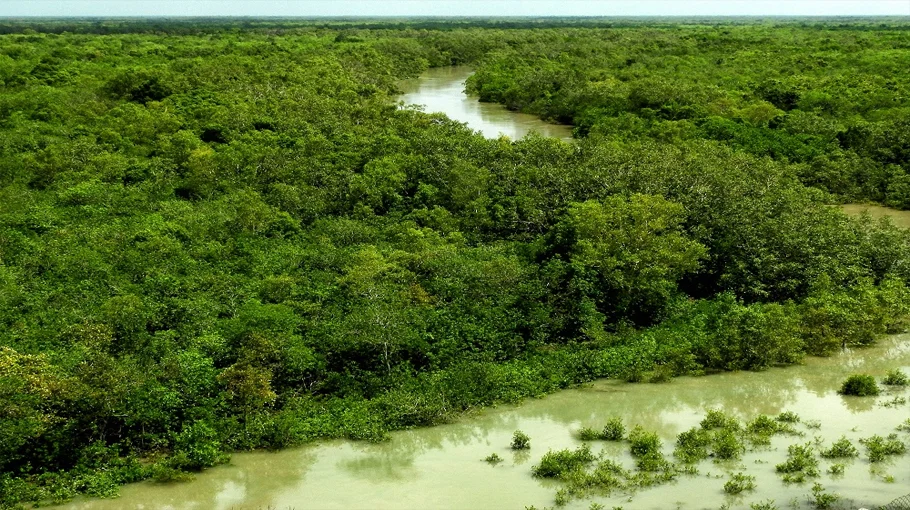
Sundarban Forest Department
The Sundarban Forest Department plays a vital role in preserving one of the world’s most remarkable natural ecosystems—the Sundarbans. Located in the southwestern region of Bangladesh, the Sundarbans is the largest mangrove forest on Earth and a globally recognized biodiversity hotspot. As the primary management authority, the Forest Department is responsible for conserving wildlife, protecting natural resources, supporting local communities, and ensuring the sustainable use of this invaluable forest ecosystem.
About the Sundarbans:
The Sundarbans is a UNESCO World Heritage Site and the largest contiguous mangrove forest in the world. Approximately 60% of the forest lies within Bangladesh, covering nearly 6,000 square kilometers. The forest is renowned for its exceptional biodiversity, serving as a habitat for numerous species, including:
🔹 Royal Bengal Tiger
🔹 Spotted Deer
🔹 Estuarine Crocodile
🔹 Irrawaddy Dolphin
🔹 Hundreds of resident and migratory bird species
Beyond its ecological significance, the Sundarbans acts as a natural shield against cyclones, tidal surges, and coastal erosion, protecting millions of people living in the coastal regions of Bangladesh.
The Role of the Sundarban Forest Department:
Operating under the Bangladesh Forest Department, the Sundarban Forest Department is entrusted with the management and protection of the forest’s natural resources. Its responsibilities extend far beyond traditional forestry management and encompass conservation, law enforcement, ecological monitoring, and community engagement. Key Responsibilities –
❑ Wildlife Conservation
One of the department’s primary objectives is the protection of endangered wildlife species. Special conservation programs focus on preserving habitats and maintaining healthy populations of:
🔹 Royal Bengal Tigers
🔹 Spotted Deer
🔹 Estuarine Crocodiles
🔹 Irrawaddy Dolphins
🔹 Various migratory and resident bird species
Regular wildlife monitoring and scientific research help ensure the long-term survival of these species.
❑ Forest Protection and Law Enforcement
The department conducts regular patrols throughout the forest using boats and field camps to prevent:
🔹 Illegal logging
🔹 Wildlife poaching
🔹 Unauthorized fishing and resource extraction
🔹 Forest encroachment
Forest guards and rangers work around the clock to safeguard the integrity of the ecosystem.
❑ Sustainable Resource Management
The Sundarbans provides livelihoods for thousands of local residents who depend on fishing, honey collection, and other forest resources. The Forest Department regulates these activities through permits and sustainable harvesting guidelines to ensure that natural resources remain available for future generations.
❑ Eco-Tourism Management
The department oversees tourism activities within the Sundarbans, ensuring that visitors can experience the beauty of the forest while minimizing environmental impacts. Visitor permits, designated tourist zones, and environmental guidelines help promote responsible tourism.
❑ Climate Change Adaptation
As one of the world’s most climate-vulnerable ecosystems, the Sundarbans faces increasing threats from sea-level rise, salinity intrusion, and extreme weather events. The Forest Department works with national and international partners to implement conservation and adaptation programs aimed at strengthening ecosystem resilience.
Administrative Structure:
The Sundarbans in Bangladesh are managed through the Sundarbans Forest Circle, headquartered in the city of Khulna.
The forest is divided into four major management ranges:
🔹 Khulna Range
🔹 Chandpai Range
🔹 Sarankhola Range
🔹 Satkhira Range
Each range is further subdivided into forest stations and patrol camps that support day-to-day conservation and management activities.
Protected Wildlife Sanctuaries:
Within the Sundarbans, the Forest Department manages three important wildlife sanctuaries:
❑ Sundarbans East Wildlife Sanctuary
Known for its rich wildlife diversity and extensive mangrove vegetation, this sanctuary plays a critical role in habitat protection.
❑ Sundarbans South Wildlife Sanctuary
This sanctuary provides vital breeding and feeding grounds for numerous species, including the Royal Bengal Tiger.
❑ Sundarbans West Wildlife Sanctuary
Recognized for its ecological importance, this sanctuary supports a wide variety of flora and fauna and contributes significantly to biodiversity conservation.
Together, these sanctuaries form an essential component of the UNESCO World Heritage Site.
Challenges Facing the Sundarbans:
Despite ongoing conservation efforts, the Sundarbans faces several significant challenges:
🔹 Climate change and rising sea levels
🔹 Increased salinity in freshwater zones
🔹 Illegal wildlife trafficking
🔹 Human-wildlife conflict
🔹 Pollution and industrial pressure
🔹 Natural disasters such as cyclones and storm surges
Addressing these challenges requires coordinated efforts among government agencies, conservation organizations, researchers, and local communities.
Why the Sundarban Forest Department Matters:
The Sundarban Forest Department serves as the frontline guardian of Bangladesh’s most important natural ecosystem. Through conservation initiatives, law enforcement, scientific monitoring, and community engagement, the department helps preserve a forest that is vital not only for biodiversity but also for the environmental and economic security of millions of people. The continued protection of the Sundarbans is essential for:
🔹 Maintaining ecological balance
🔹 Protecting coastal communities
🔹 Supporting sustainable livelihoods
🔹 Conserving biodiversity
🔹 Mitigating the impacts of climate change
The Sundarbans is a priceless natural asset that supports biodiversity, protects coastal communities, and sustains local livelihoods. Through its commitment to conservation, sustainable resource management, and environmental protection, the Sundarban Forest Department plays a vital role in preserving this unique mangrove ecosystem for future generations.



 5,000 tk
 2 Days - 3 Nights