Fisherman life in Sundarbans
The Sundarbans is the largest mangrove forest in the world and one of the most important natural resources in Bangladesh. Thousands of fisherman depend on the rivers and waterways of the Sundarbans for their daily income. Their lives are full of hard work, adventure, and challenges. This article explores the life of fisherman in the Sundarbans and the difficulties they face every day.
❑ Who Are the Sundarbans Fisherman?
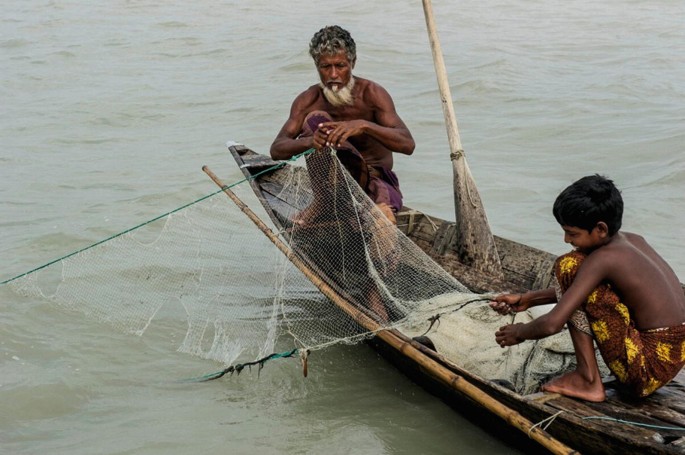
The fisherman of the Sundarbans are local people who catch fish, crabs, and shrimp from the rivers and canals of the forest. Many families have been involved in fishing for generations. Fishing is their main source of income and helps support the local economy.
❑ A Typical Day in the Sundarbans:
Most fisherman start their day before sunrise. They travel in small wooden boats and spend hours fishing in the rivers. Some stay on the water for several days, carrying food and supplies with them. Their daily activities include:
🔹 Catching fish with nets
🔹 Collecting mud crabs
🔹 Harvesting shrimp fry
🔹 Repairing fishing nets and boats
Fishing depends on tides, weather conditions, and seasonal changes.
❑ Challenges Faced by Sundarbans Fisherman
🔹 Tiger Attacks
One of the most feared dangers is the Royal Bengal Tiger. While tigers generally avoid human contact, attacks occasionally occur when fisherman enter remote areas of the forest. These incidents have left many families grieving and have created a lasting sense of fear among local communities.
🔹 Cyclones and Storms
The coastal location of the Sundarbans makes it vulnerable to severe weather events. Cyclones, tidal surges, and heavy storms can strike with little warning, damaging boats and endangering lives. Many fishermen have experienced the devastating effects of natural disasters that have destroyed homes, fishing equipment, and entire communities.
🔹 Crocodiles and River Hazards
The rivers of the Sundarbans are also home to crocodiles and other dangerous wildlife. Strong currents, rough waters, and sudden changes in weather add to the risks faced by fishermen every day.
🔹 Poverty and Financial Problems
Many fishing families struggle with low income. They often face difficulties paying for education, healthcare, and daily living expenses.
❑ Dublar Char: A Popular Fishing Spot in the Sundarbans:
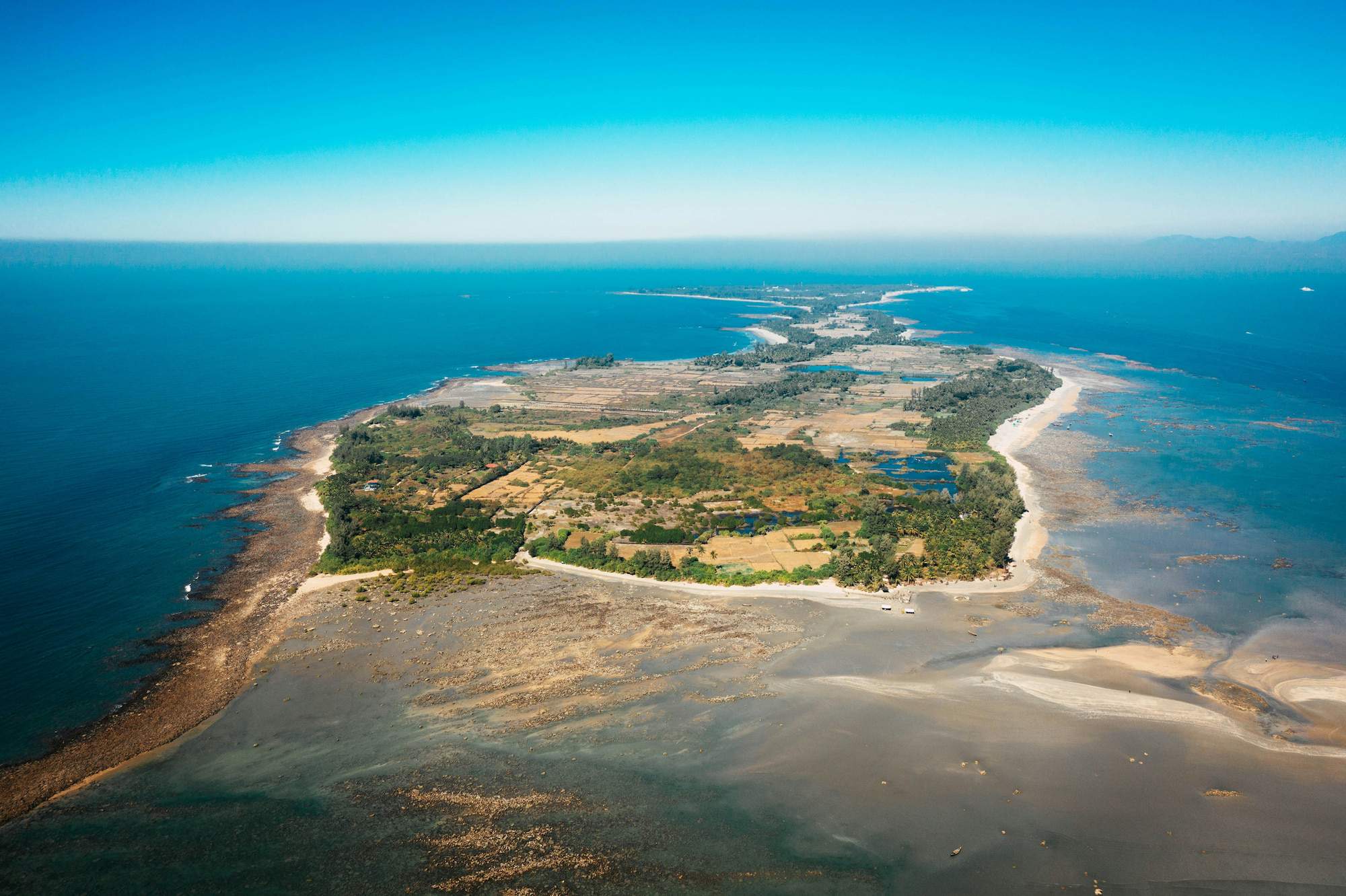
Dublar Char is one of the most well-known fishing areas in the Sundarbans. Every year, thousands of fisherman come to this remote island during the fishing season. It is famous for producing shutki (dried fish), which is sold across Bangladesh. During the season, fisherman set up temporary camps on the island and work day and night to catch, dry, and prepare fish. The shutki industry at Dublar Char provides income for many families and plays an important role in the local economy.
❑ Traditional Fishing Knowledge:
Sundarbans fisherman have valuable experience and knowledge that has been passed down through generations. They know how to:
🔹 Understand river tides
🔹 Predict weather changes
🔹 Find the best fishing spots
🔹 Navigate safely through the forest
This traditional knowledge helps them survive in a challenging environment.
❑ Importance of Fisherman to Bangladesh:
Fisherman are very important to Bangladesh. They catch fish and seafood that provide food for millions of people across the country. Fish is one of the main sources of protein for many Bangladeshis. Fishing also creates jobs and helps many families earn a living. In coastal areas like the Sundarbans, many people depend on fishing as their main source of income.
The hard work of fisherman supports local markets, strengthens the economy, and helps ensure a steady supply of food for the nation.
The fisherman of the Sundarbans are an important part of Bangladesh’s coastal communities. Every day, they face many challenges, including tiger attacks, storms, and financial difficulties. Despite these risks, they continue to work hard to support their families and provide fish for people across the country. Their lives are closely connected to the Sundarbans, making them both fishermen and protectors of this unique mangrove forest. Supporting these fishing communities and protecting the Sundarbans will help ensure a better future for both the people and the environment.

 5,000 tk
 2 Days - 3 Nights